A homeowner called me because water was dripping out of their ceiling in the middle of summer. That alone is not unusual. What made me pay attention was what they told me next. They had just paid to have their ducts sealed and a new air conditioner installed. Two upgrades that should have made the house better in every measurable way. Instead, when they opened the ceiling to find the leak, they found mold growing on the duct insulation above it.
I have spent enough years testing homes to know that good work can still create a new problem if you do not understand what the old, bad setup was quietly doing for you. This is one of those cases, and it taught me to think about duct sealing differently than I used to.
What Duct Leakage Actually Costs You
Where It Leaks Matters More Than How Much
Duct systems in the average home leak about 10 percent of the supply air they move and 12 percent of the return air, according to research out of Lawrence Berkeley National Lab. But the raw percentage is not the whole story. A house energy rater's mnemonic sums up why location matters as much as volume: return leaks blow, supply leaks suck. Return duct leakage pulls in extra air from wherever the leak is, and if the ducts are all leaking on the return side, you end up pressurizing the house and forcing conditioned air to leak back out through every crack in the building itself. Supply leakage does the opposite, depressurizing the house and pulling in outdoor or attic air to replace what escaped through the ducts. In a home where ducts run through an unconditioned attic, that leaked air is not neutral. Researchers at the National Renewable Energy Lab found that ducts sitting in an unconditioned attic add about a quarter to the cooling load in hot climates, even when the ducts are reasonably well sealed.
What Return Leaks Actually Pull Into Your Air
The most common site built duct in an older home is a panned joist return, which is just a piece of sheet metal run across a joist cavity with a grille on one end. Almost nobody bothers to seal the sides of these, and when the system runs, that gap sucks in whatever air is sitting in the crawlspace below, musty, damp, and full of whatever has been living down there. A vented crawlspace with return duct leakage can drive infiltration rates through the roof and pull genuinely unhealthy air straight into your breathing space, not through some rare failure but as the ordinary, daily behavior of a system nobody has checked in years.
Why Just Seal It Can Backfire
The House That Got Moldy After We Sealed It Right
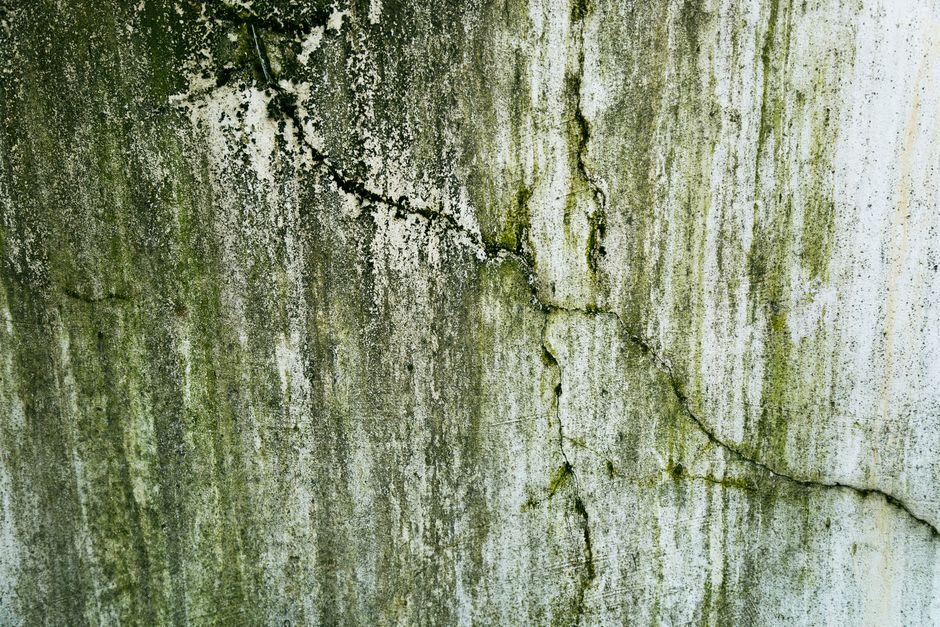
Back to that dripping ceiling. The ducts ran uninsulated through the joist cavities of an old house on the humid side of the country, and for years those ducts leaked cool, dry air straight into the spaces around them. That leakage was wasteful, but it was also quietly doing something useful. It kept those cavities positively pressurized with dry conditioned air, which kept humid outdoor air from finding its way in. Once the ducts were sealed and that dry air stopped leaking out, the cavities were no longer pressurized, and humid air had an open invitation to migrate in from outside. It found the cold, uninsulated supply ducts, condensed, and soaked the surrounding wood until mold took hold. The fix that should have been a pure win turned into a new problem, purely because nobody insulated the ducts before sealing them, and nobody accounted for what that leaked air had been doing for the house all along.
The Pressure You Didn't Account For
Sealing ducts changes the pressure inside them, and that has consequences beyond moisture. Most residential duct systems already run at a higher total external static pressure than the blower was rated for, and tightening up the leaks pushes that number higher still. If airflow drops too far, an air conditioner's evaporator coil can freeze over, or worse, a furnace's heat exchanger can crack, which risks pushing combustion gases into the air you breathe instead of venting them outside. This is exactly why duct sealing should never be treated as a sealed and forgotten job. It has to be paired with an airflow measurement afterward, and if you have a natural draft gas appliance anywhere near the ducts, that measurement should include a combustion safety test, not just a static pressure reading.
Getting Ducts Out Of The Heat In The First Place
Keep Them Low And Off The Deck
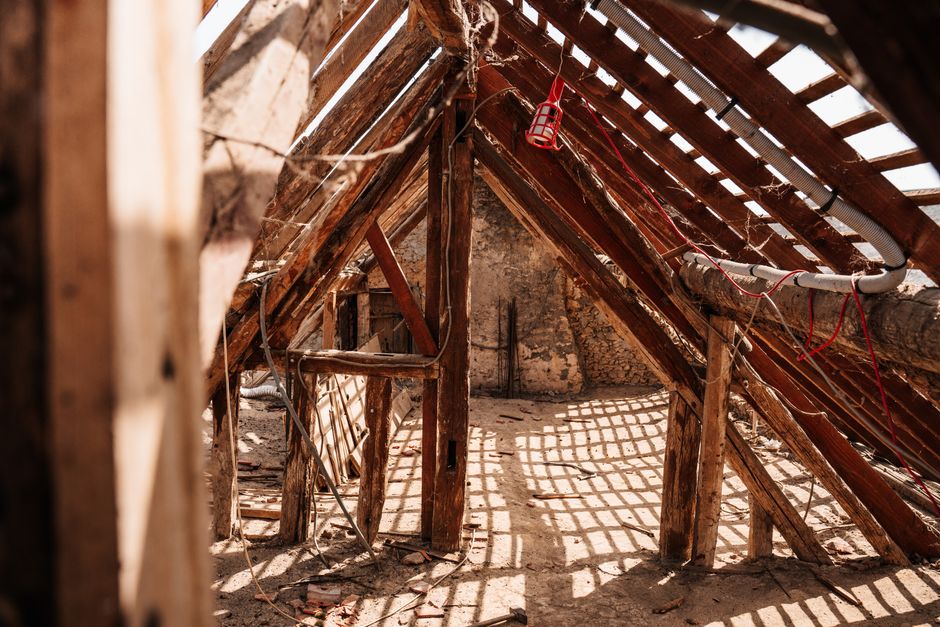
If your ducts have to live in an unconditioned attic, where you put them still matters. On a sunny summer day, an unconditioned attic can reach 120 degrees or higher, but that heat is not evenly distributed. The hottest air sits up near the roof deck, and the coolest air sits down at the attic floor. Strapping a duct directly against the underside of the roof deck puts it in the single hottest spot available, and roofing nails coming through that same deck can puncture the duct or its insulation jacket without anyone noticing until the system starts underperforming.
Insulate Past Code Minimum, Not To It
Standard duct insulation tops out at an R value of 8, which is often what gets installed by default. In a dry climate, burying ducts under blown attic insulation on top of that can work fine. In a humid climate, the same setup risks condensation on the duct surface, which is exactly the mechanism that ruined that ceiling I described earlier. Current code allows buried ducts in the most humid climate zones, but only if you add insulation up to an R value of 13 before burying them, or wrap the duct in closed cell spray foam first. Treat the code minimum as a floor, not a target, if your ducts are going anywhere near blown insulation in a humid region.
Sealed From Outside Or From Inside
Once a leak is confirmed, you have two real options, and neither one is automatically right. Manual sealing with mastic or code approved tape works well anywhere a technician can physically reach the seam, and it costs roughly half of what an aerosolized sealant service runs per unit, since it does not require specialized equipment. Hardware store duct tape does not count. Most codes require mastic, high quality tape, or a gasketed closure system, and mastic in particular needs the joint mechanically fastened with screws first, since the mastic itself is not a structural bond. Aerosolized sealant, sprayed into a pressurized duct system so it collects at the edges of small gaps, earns its higher price where ducts are genuinely inaccessible, behind finished walls, under floors, or wherever a technician cannot get hands on the seam. It cannot close a gap wider than about five eighths of an inch, so a duct system with large, obvious separations still needs manual repair first. The leaks that matter most in either case are the ones closest to the air handler, where system pressure is highest, not the ones twenty feet out near a register.
Where This Leaves Me
I still tell every client to get their ducts sealed. Leaky ducts waste real money and can pull genuinely unhealthy air straight into the rooms you sleep in. But I no longer treat the sealing itself as the finish line. A duct system is one piece of a pressure balanced, moisture managed whole house system, and changing one part of it without checking the rest is how a homeowner ends up with a new mold problem instead of a lower power bill.
What I actually check now, in order:
- Test airflow and total external static pressure after any duct sealing, not just before.
- Confirm combustion safety on any natural draft gas appliance near the ducts once sealing changes system pressure.
- Insulate ducts before sealing them if they run through a humid, unconditioned space, so the seal does not turn a leak into a condensation surface.
- Check panned joist returns and other site built ducts for unsealed sides, since these are some of the most common uninspected leaks in older homes.
- Match the repair method to the duct's accessibility, manual sealing where a technician can reach the seam, aerosolized sealant only where they genuinely cannot.