An energy nerd I follow deliberately installed a heat pump that could only cover about 65 percent of his home's calculated heating load, with no backup heat strip at all. When an arctic blast dropped his outdoor temperature to around 8 degrees Fahrenheit, colder than his area sees more than once a decade, his indoor temperature bottomed out at 63 degrees. Not warm, but nowhere near dangerous, and it climbed back to a comfortable 70 within a day of the cold snap breaking. He had picked equipment specifically built to keep producing heat as the temperature drops, and the math worked out even undersized.
I bring up that story because it cuts against the most common thing I hear from clients considering a heat pump, which is some version of "those don't really work when it gets cold." Sometimes that fear is flat wrong. Sometimes it is describing a real problem, just not the one people think they're describing.
Why Some Heat Pumps Actually Do Struggle
Older Units Have A Real Cliff
Plenty of heat pumps still running in houses today were designed around a minimum outdoor operating temperature of about 24 degrees. Below that, they were never expected to carry the full load on their own. One HVAC contractor described getting calls during a 5 degree night from homeowners whose systems could not push the house past 60 degrees, and technically the equipment was doing exactly what it was built to do. Fifty five or sixty degrees inside during single digit weather outside is the system working, just not meeting anyone's comfort expectations. Newer variable capacity units close a lot of that gap because they can ramp output up as the temperature drops instead of running at one fixed speed, but an older, standard efficiency heat pump genuinely does have a real capacity cliff, and no amount of thermostat fiddling gets around it.
It Is Often Not The Heat Pump At All
Before blaming the equipment, a few other culprits are worth ruling out. A thick layer of ice on the outdoor unit, not the thin frost that is completely normal in winter operation, usually points to a refrigerant charge problem or a defrost cycle that has stopped working, either of which can cripple a system's ability to pull heat from the outside air. Leaky ducts are another quiet capacity thief. One contractor who routinely tests and seals ductwork in older homes gets typical leakage down to around 4 percent after sealing, which gives a sense of how much heat a leaky, untested duct system can lose before ever reaching a room. A heat pump straining to keep up is frequently a duct system or a refrigerant charge problem wearing a heat pump's name.
What Cold Actually Costs You, Even When It Works
A heat pump's efficiency is not a fixed number. On an ordinary winter day, a well matched system can run at a coefficient of performance of 3 to 4, meaning it moves three or four units of heat into the house for every unit of electricity it consumes. During genuinely extreme cold, that ratio can fall to somewhere around 1.4, still better than straight electric resistance heat, but a real drop that shows up on the power bill. This is exactly why the concept of a balance point matters. Most standard heat pumps hit a point, often somewhere around 30 degrees outdoor temperature, where they can no longer keep the house at setpoint running flat out on their own, and that is by design, not failure. Below the balance point, the system either falls back on backup electric resistance heat strips or, in a dual fuel setup, hands off to a gas furnace for the coldest stretches while the heat pump handles everything above that threshold more efficiently.
The Subsidy Trap
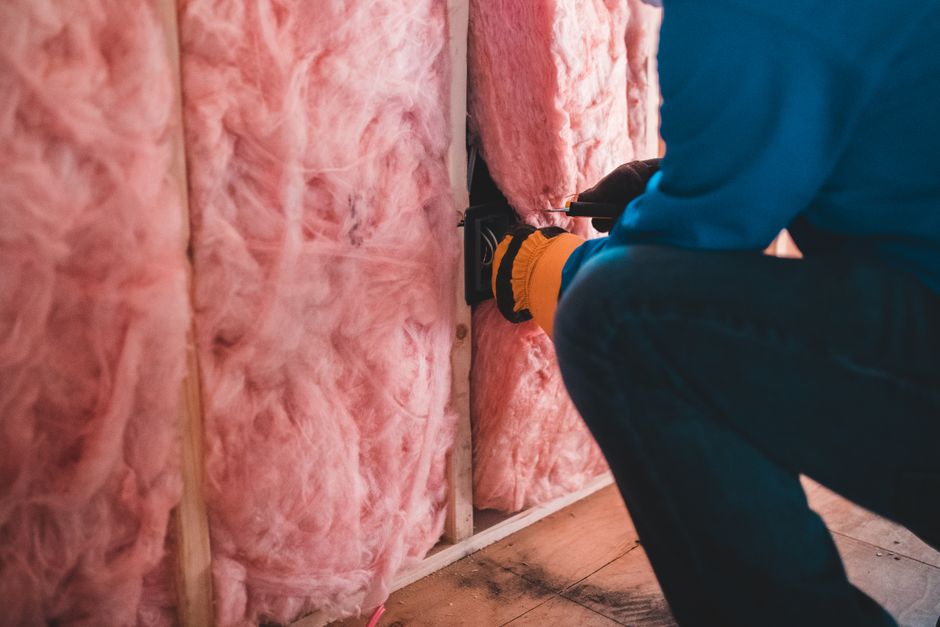
A heat pump swapped into a poorly insulated, leaky house without any other changes is where a lot of the genuine horror stories come from. Replace an old gas or oil furnace with a heat pump, change nothing else about the envelope, and on the coldest nights of the year that system can end up leaning hard on backup electric resistance heat strips to make up the difference, sometimes tripling electricity use for the duration of the cold snap. With a combustion furnace, only the blower ran on electricity. With a heat pump falling back to resistance heat, the entire heating load suddenly does. None of this means heat pumps are the wrong choice. It means a house is a system, and swapping the heating equipment without addressing air sealing, insulation, and duct leakage first is asking new equipment to compensate for old problems it was never sized to solve.
Not All Heat Pumps Are Created Equal
The difference between a standard, fixed speed heat pump and a modern variable capacity, cold climate model is not marketing language. The better models can sustain close to their full rated output at temperatures where a standard unit has already dropped off a cliff, which is exactly what let that undersized system I mentioned earlier get through an arctic blast without ever touching backup heat. Where gas lines already exist in the house, a dual fuel setup remains a genuinely practical middle path, since it lets the heat pump handle the efficient middle of the season while a furnace steps in only for the handful of days each year when temperatures drop low enough to justify it.
Where This Leaves Me
I do not tell clients heat pumps always work in cold climates, and I do not tell them they never do. Both extremes are wrong. What actually determines the outcome is whether the equipment was sized and selected for the climate, whether the envelope and ducts were dealt with first, and whether anyone bothered to explain the balance point before the first real cold snap arrived.
What I check before recommending a heat pump for a cold climate home:
- Confirm whether the unit is a cold climate, variable capacity model or a standard fixed speed unit with a real capacity cliff below about 20 to 24 degrees.
- Air seal and insulate the envelope before or during the equipment swap, not as an afterthought once bills come in high.
- Test and seal the duct system, since leakage quietly steals capacity that gets blamed on the heat pump instead.
- Check for thick ice, not normal frost, on the outdoor unit, and have the refrigerant charge and defrost cycle verified if it appears.
- Know the system's balance point and whether backup heat is electric resistance or a dual fuel furnace, before the coldest night of the year is the first time it matters.