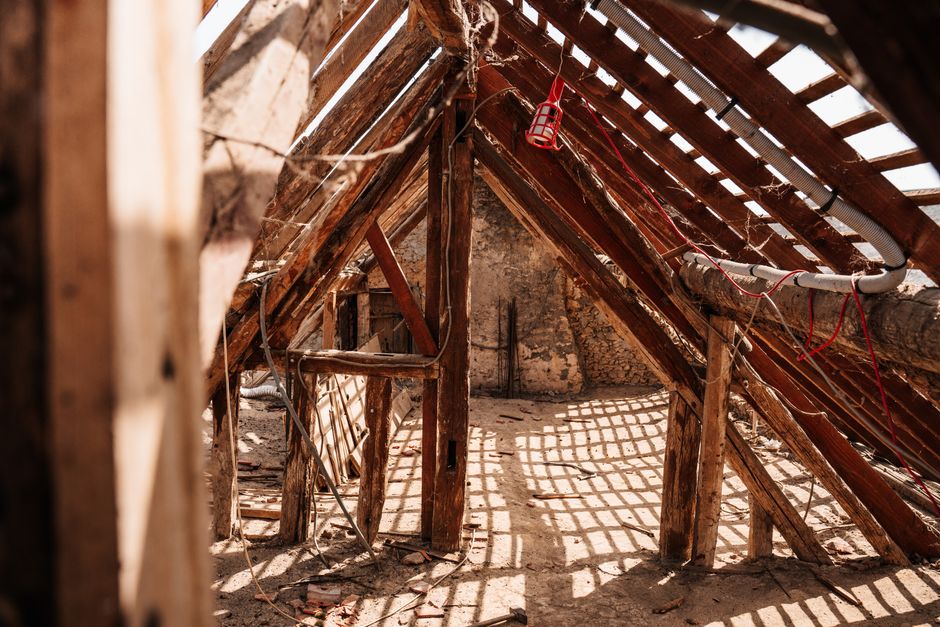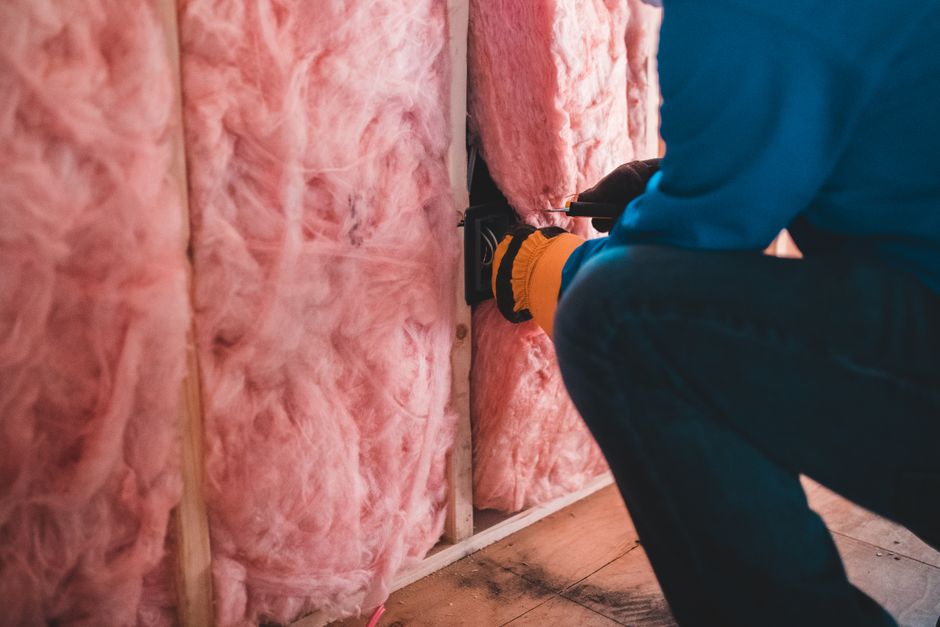
I spent years standing in other people's basements with a blower door and a clipboard, telling homeowners which tight little upgrades to feel good about and which ones might quietly work against them. Then I did the same upgrades to my own place. New windows, new weatherstripping, spray foam in the rim joists, a crawl space sealed up like a drum. My energy bills dropped exactly the way I told my clients they would. What I did not think much about was radon.
Radon is a radioactive gas that comes from uranium breaking down in soil, rock, and water. It has no color, no smell, and no taste, so there is no way to notice it building up on your own. Outside, it disperses into concentrations low enough to be harmless. Inside a house, once it works its way in through foundation cracks, gaps around pipes, and sump covers, it has nowhere to go and it collects. Radon is the leading cause of lung cancer among people who have never smoked, and the second leading cause overall. The EPA ties it to roughly 21,000 lung cancer deaths a year, and someone living with levels over four picocuries per liter is seven times more likely to develop the disease.
The Worry After My Retrofit
The Numbers From My Own Testing
I had spent enough time with a blower door in other people's homes to know that tightening a house changes how air moves through it. What I had not done was point that suspicion at my own place once the retrofit was finished. A first test on the main floor, run over a week, came back at 7.7 picocuries. A longer test, four months this time, placed in the basement closer to the source, came back at 10.3. Both sit well past the point where the EPA recommends doing something about it. I put in a continuous monitor after that, and watched opening the windows in spring and fall drop readings into the safe range within days, though that is not much of a fix since nobody keeps their windows open all winter. 
The Mechanics of a Tighter House
An older, leakier house naturally exchanges its air with the outside somewhere around one to two times an hour, and that trickle of outside air dilutes radon before it builds up much. A modern, energy efficient house is built to leak far less, sometimes down to 0.35 air changes an hour or less. The same amount of radon coming up through the foundation now has fewer ways to escape, so it accumulates to a higher concentration simply because there is less fresh air to dilute it. Every upgrade I made, the spray foam, the weatherstripping, the caulked penetrations, the tight windows, the encapsulated crawl space, is good for a heating bill and bad for radon dilution, for exactly the same reason. Warm air inside a tight house also rises and leaks out through the upper part of the building, creating a slight vacuum down low that pulls soil gas, radon included, up through the foundation.
The Research on Sealing and Radon
I went looking for confirmation that sealing a house always raises its radon level, and the picture turned out messier than that. One study paired eighteen homes with similar underlying geology, half self described as well sealed and half as poorly sealed, and found no significant difference in measured air exchange between the groups, and no correlation between a home's air exchange rate and its measured radon. The researchers concluded that testing each individual home is the only reliable way to know its risk.
A much larger study, looking across hundreds of thousands of homes, found the opposite trend at the population level: airtightness rising across housing stock lined up with a 56 percent increase in average indoor radon, tied to thousands of lost years of life. Sealing does not reliably predict one house's radon number, but a whole country tightening its housing still moves the numbers in a clear direction, and not a good one. That is why I stopped trusting instinct and started testing instead.
Fixing It
The Basics of Mitigation
The standard fix pulls air from beneath the slab or crawl space membrane with a small fan and vents it above the roofline, carrying radon out before it ever reaches the living space. It runs on little power, somewhere between 50 and 150 watts. Sealing cracks and foundation penetrations reduces the paths radon has into the house, but rarely solves the problem alone. A heat recovery or energy recovery ventilator brings in fresh outdoor air while recovering 70 to 80 percent of the heating or cooling energy that would otherwise leave with it, which helps through dilution but is not a substitute for depressurization once levels are already high.
The System I Installed
My foundation is part basement and part encapsulated crawl space, so rather than running two separate systems, the crew tied both together through a valve that lets the airflow ratio be adjusted later. My house has no gravel layer and no plastic liner under the slab. They cut a hole through the slab, pulled out several buckets of dirt from underneath, and ran a length of pipe up through it, sealed with caulk. The fan sits outside the house entirely, and the whole run of pipe through the living space stays under negative pressure, because a leak on the wrong side would pump soil gas, radon included, straight into the house. 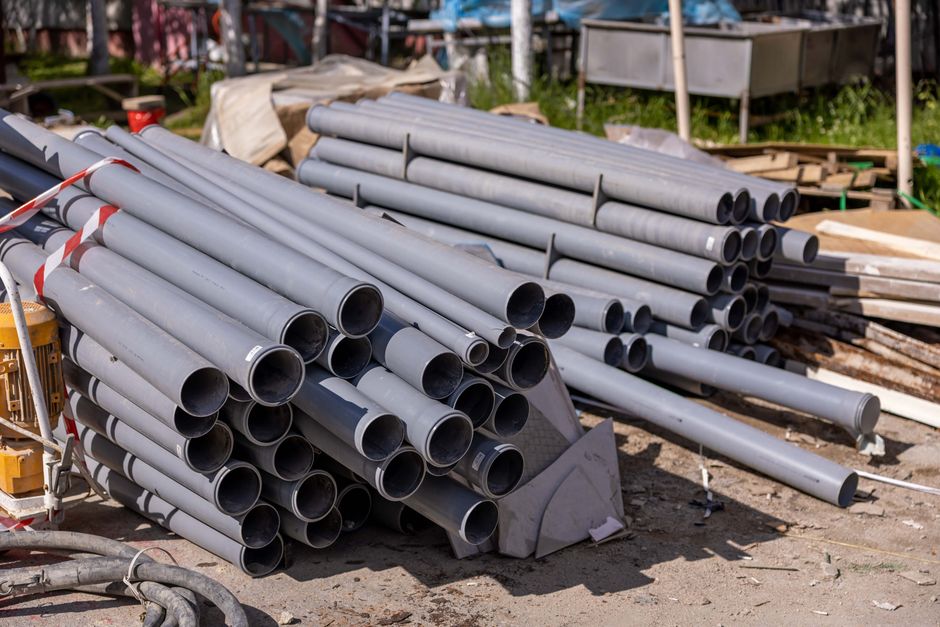 Start to finish, it was a one day job.
Ongoing Progress
Within about a day of the fan running, readings mostly sat in the safe range, with one short spike close to the action threshold before it dropped back down. That is a real improvement over how the house behaved sealed shut before, when levels reliably climbed into the danger zone within hours and stayed there. This is not finished. If the winter average comes in higher than I want, the next step is adjusting that valve, and if that is not enough, separating the two zones entirely. Here is the shape the whole project took, in order.
- Ran a first, week long test that came back at 7.7 picocuries
- Followed up with a four month test in the basement that came back at 10.3
- Installed a continuous monitor to track how levels moved through the seasons
- Learned that opening windows in spring and fall dropped levels, but only temporarily
- Had a depressurization system installed beneath the slab and crawl space, fan mounted outside
- Watched early readings settle into the safe range, with retesting ongoing through the winter